Hydration for Weight Loss: How a Weekly Hydration Plan Supports Fat Burning Naturally
When people think about weight loss, they often focus on calories, workouts, and diet plans. Rarely does hydration receive the attention it deserves. Yet water plays a measurable role in metabolism, appetite regulation, and overall energy balance.
If you are building a structured Weekly Hydration Plan, understanding how hydration influences weight management can help you achieve sustainable results.
The Link Between Water and Metabolism
Water is essential for metabolic reactions. According to research summarized in Wikipedia – Metabolism, biochemical processes rely on fluid balance to convert nutrients into energy.
Mild dehydration can reduce metabolic efficiency. When cells lack adequate fluid, energy production slows.
Some studies suggest drinking water may temporarily increase resting energy expenditure — a phenomenon sometimes referred to as water-induced thermogenesis.
Hydration and Appetite Control
Thirst is often mistaken for hunger. Many individuals consume unnecessary calories when their body is signaling fluid deficiency.
Drinking water before meals may:
- Promote fullness
- Reduce overeating
- Improve portion control awareness
This is why a consistent weekly hydration schedule is more effective than random daily efforts.
Water and Exercise Performance
Dehydration reduces endurance and strength output. When workouts decline in intensity, calorie burn also drops.
Maintaining hydration improves:
- Workout stamina
- Muscle contraction efficiency
- Recovery speed
For athletes, read our guide on Hydration for Athletes.
How Much Water Should You Drink for Weight Loss?
There is no magic number. Individual needs vary based on:
- Body weight
- Activity level
- Climate
- Diet composition
A structured approach works best. Use our Weekly Hydration Plan tool to calculate your personalized intake.
Does Drinking More Water Burn More Fat?
Hydration supports fat oxidation indirectly by optimizing cellular processes. However, excessive water intake does not automatically accelerate fat loss.
Balance matters more than volume.
Common Mistakes
- Replacing meals with water
- Overhydrating in short periods
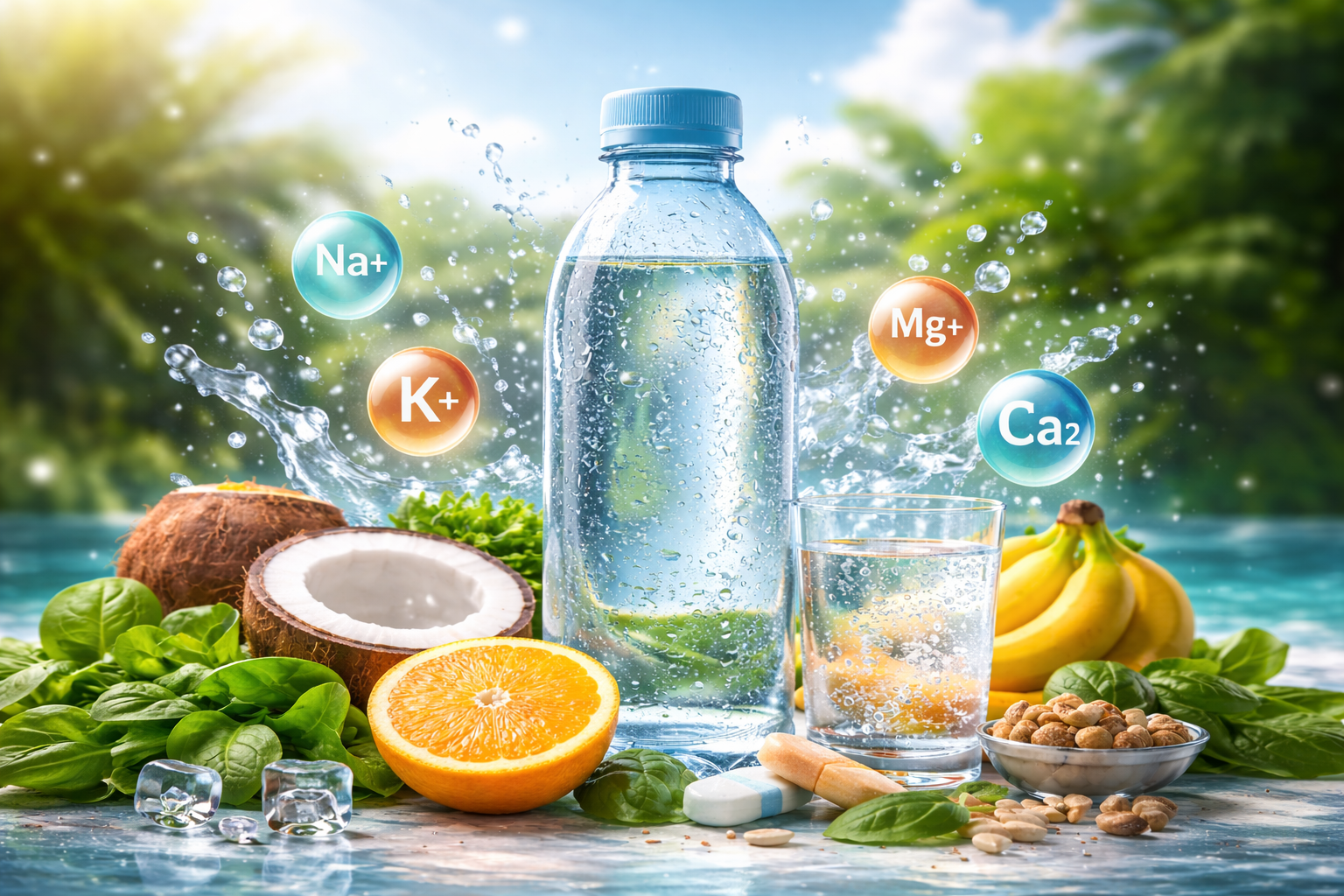
- Ignoring electrolytes
- Believing water alone causes weight loss
Weekly Strategy for Sustainable Results
Instead of drastic daily targets, aim for weekly consistency:
- Track weekly total intake
- Hydrate before meals
- Maintain electrolyte balance
- Adjust for workout days
For foundational strategy, revisit our Complete Weekly Hydration Guide.
Final Thoughts
Hydration alone does not replace healthy nutrition or exercise. But when integrated into a structured weekly plan, it becomes a powerful support system for sustainable weight management.
This content is educational and not medical advice.

Popular Posts





Popular Tools